

A Tale of Trembling Knives and Culinary Courage
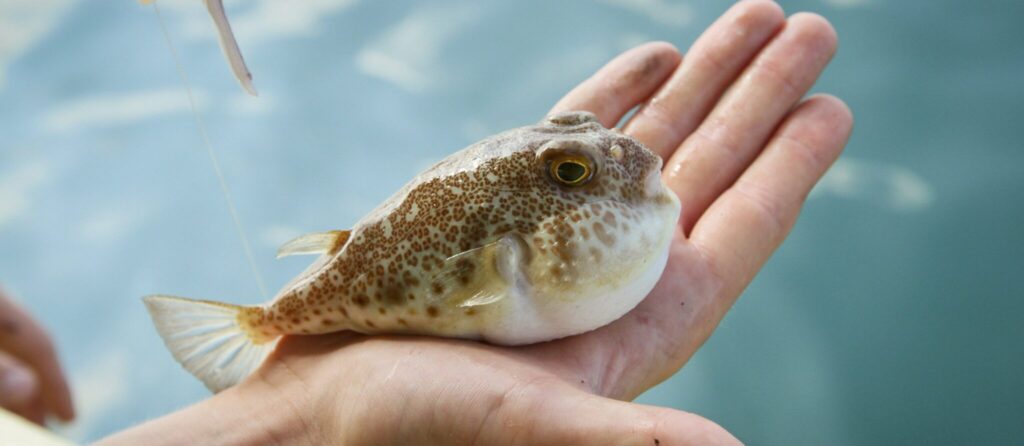
The air in the small, unassuming Tokyo restaurant is thick with a silence that feels both reverent and tense. At the sushi-ya counter, a chef, his face a mask of serene concentration, unfolds a linen cloth to reveal an array of specialized knives—fugubiki, nakiri, deba. His subject lies before him: a pufferfish, or fugu, its body swollen and unassuming in death. With a motion that is both swift and impossibly precise, he makes the first incision. He is not just filleting a fish; he is performing a high-stakes dissection, navigating a minefield of lethal neurotoxin.
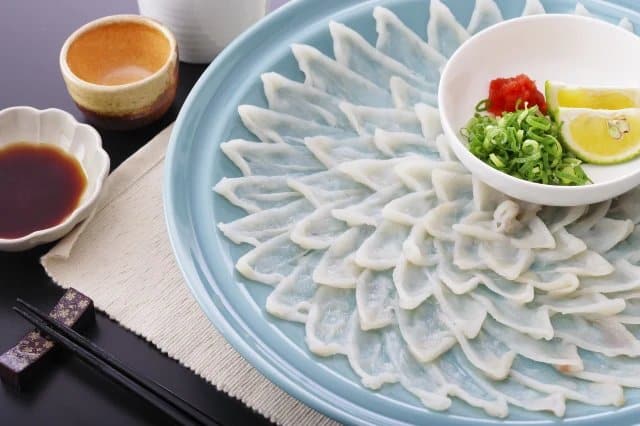
The prize? Paper-thin, translucent slices of sashimi arranged in an intricate pattern resembling a chrysanthemum or a crane—a symbol of longevity, ironically juxtaposed with the potential for sudden death. The diner, perhaps a business executive sealing a deal or a thrill-seeking gourmand, lifts a slice with chopsticks. It is chewy, clean-tasting, with a subtle sweetness. The appeal is multifaceted: the pristine flavor of the sea, the exquisite texture, and the undeniable, electrifying knowledge that one is flirting with mortality. This is the world of fugu, where the ultimate delicacy is defined by the skill that makes it safe to eat.
A History Steeped in Danger: From Forbidden Fruit to Regulated Luxury
The relationship between humans and fugu in Japan is ancient and fraught. Shell middens from the Jōmon period (14,000–300 BCE) contain fugu bones, suggesting early experimentation. The first written prohibitions appear in the late 16th century, when Toyotomi Hideyoshi, the great unifier of Japan, banned its consumption after soldiers in his army died from eating it. This ban persisted through the Tokugawa shogunate.
Yet, the allure proved irresistible. In regions like Shimonoseki in Yamaguchi Prefecture—now the undisputed fugu capital of Japan—locals continued to eat it in secret, developing and passing down the precise techniques for safe preparation. The ban was finally lifted in 1888, when Japan’s first Prime Minister, Hirobumi Itō, visited Shimonoseki, was served fugu, and found it so remarkable he urged its legalization with proper oversight.
The modern era of fugu began with strict regulation. In 1949, the Japanese government mandated a licensing system for fugu chefs. To obtain a license, chefs must complete a rigorous 2-3 year apprenticeship, culminating in a daunting practical exam where they must identify toxic parts of multiple fugu species and prepare a fish for consumption, then eat their own preparation. The failure rate is high. This system, combined with advanced refrigeration and transportation, transformed fugu from a dangerous regional novelty into a national winter delicacy (traditionally consumed from October to March).
The Commerce of Caution: A Multimillion-Dollar Dance with Toxin
The Local Catch and Economy:
The fugu industry is a tightly controlled ecosystem. The most prized wild species, Torafugu (tiger pufferfish), can command prices of ¥20,000 to ¥30,000 (US$130-$200) per kilogram at auction. Major fishing ports like Shimonoseki and markets like Toyosu in Tokyo host predawn auctions where licensed dealers bid fiercely on the finest specimens. A single, large wild tiger fugu can sell for over ¥50,000 (US$330).
However, wild stocks have been depleted by overfishing. This led to the rise of fugu aquaculture, which now supplies over 90% of the market. Farmed fugu, raised on controlled diets that make them non-toxic (the toxin is accumulated from their wild diet, primarily starfish and shellfish), is safer and more affordable, but purists argue it lacks the complex flavor and texture of its wild counterpart. The farming industry, centered in Nagasaki and Ōita prefectures, has stabilized supply and created a year-round market.
The Global Industry:
Internationally, fugu remains a niche but growing luxury. It is most popular in South Korea (where it is called bok), prepared in spicy stews (bokguk). The United States strictly prohibits the import of fish containing tetrodotoxin, but some restaurants serve non-toxic, farmed fugu sourced from licensed Japanese producers under specific FDA permits. A fugu dinner in a high-end New York or Los Angeles restaurant can cost $200-$500 per person.
The global market faces several challenges:
- Regulatory Fragmentation: Laws vary wildly. The EU largely bans it, while countries like Australia and New Zealand permit strictly controlled import and preparation.
- Logistical Complexity: Transporting a highly perishable, potentially lethal product requires specialized cold chains and documentation.
- Cultural Translation: Outside of Japan and Korea, the “thrill factor” often overshadows the culinary appreciation, marketing it as an extreme food rather than a refined seasonal dish.
Beyond the Plate:
The fugu’s tetrodotoxin (TTX) itself has commercial value. In minute, controlled doses, it is researched for medical applications, including as a potent painkiller (3000 times stronger than morphine) and a treatment for certain cancer pain and opioid withdrawal symptoms.
Related: Forbidden Flavours: 10 Most Famous Banned Foods in the World
Sources & Further Reading
- Japanese Ministry of Health, Labour and Welfare: Fugu Handling Regulations (in Japanese, with summaries in English). Details on licensing and legal species.
- National Fisheries University (Shimonoseki, Japan) Research: Studies on fugu aquaculture, toxicity, and ecology.
- U.S. Food and Drug Administration (FDA) Import Alert #16-20: Guidelines on pufferfish importation.
- Journal of Ethnobiology: “The Natural History and Cultural History of Fugu” – An academic overview.
- (Search for title via academic databases like JSTOR or Google Scholar)
- The New York Times: “If the Knife Slips, This Sashimi Can Be Deadly” – A journalistic look at the craft.
- Nagasaki Prefectural Government Aquaculture Division: Information on fugu farming practices.
FAQ: The Fugu Fish
Q1: What makes fugu poisonous?
A: Fugu contains tetrodotoxin (TTX), a potent neurotoxin that blocks sodium channels in nerve cells, leading to paralysis and, in sufficient doses, respiratory failure and death. The toxin is primarily concentrated in the liver, ovaries, eyes, and skin. There is no known antidote.
Q2: How many people die from eating fugu each year?
A: In modern Japan, fatalities are rare due to strict regulation. Official reports indicate between 0-3 deaths per year, often from amateur fishermen preparing the fish at home illegally. In the early 20th century, hundreds died annually.
Q3: What does fugu taste like?
A: Described as clean, delicate, and slightly sweet, with a firm, chewy texture. The sashimi (fugu-sashi) is prized for its translucency and bite. It is often compared to high-quality sole or monkfish, but with a unique gelatinous resilience.
Q4: Is it true you feel a tingling from the toxin?
A: This is a dangerous myth. Properly prepared fugu contains zero toxin. Any sensation of tingling or numbness is psychosomatic or indicative of improper preparation. Consuming even a small amount of TTX causes severe symptoms, not a mild buzz.
Q5: Can I buy and prepare fugu outside of Japan?
A: In most countries, it is illegal and extremely dangerous to purchase or prepare whole, toxic fugu without a specific license. Some countries allow the service of licensed chefs using imported, pre-processed, or farmed non-toxic fugu in approved restaurants.
Q6: What are the different ways to eat fugu?
A: The main preparations are:
- Sashimi (Fugu-sashi): Thinly sliced, arranged artistically.
- Fugu Hot Pot (Fugu-chiri or Tecchiri): Paper-thin slices cooked in a kelp broth.
- Fried Fugu (Fugu-karaage): Bones or meat lightly fried.
- Fugu Porridge (Fugu-zosui): Rice porridge made with the leftover hot pot broth.
- Sake with Grilled Fugu Fin (Hiire-zake): Warm sake infused with a grilled fugu fin.
Q7: Is fugu sustainable?
A: Wild fugu, particularly the tiger puffer, has been overfished. Aquaculture is now the dominant and more sustainable source. Responsible consumers should inquire whether the fish is farmed or wild-caught and choose establishments that source from sustainable operations.
The story of fugu is a testament to human ingenuity and our complex pursuit of pleasure. It is a cuisine born from respect—for nature’s power, for the artisan’s skill, and for the fragile line between a memorable meal and a fatal mistake. It remains the ultimate example of a delicacy earned not just by price, but by profound expertise.
Related Analysis: View Previous Industry Report
