
Boost for Moroccan Citrus Growers: A Look at the Recent Developments
The recent heavy rains in Morocco have brought about a positive change for citrus growers in the region. The much-needed rainfall has improved yields and fruit quality, boosting the confidence of industry players after facing several challenging years. Soufiane Bendennoune from Citrus Mogador provides insights into the impact of the recent weather conditions on the citrus industry in Morocco.
Industry Insights
– The heavy rains in Morocco have led to improved yields and fruit quality across all citrus varieties.
– The rainfall has restored confidence among citrus growers after facing challenging years due to drought.
– The timing of the rainfall is beneficial for varieties such as mandarins, Navel and Valencia oranges, and Morocco Late oranges.
– The weather conditions have helped in controlling pests like mites and thrips, reducing the need for intensive treatments.
– Moroccan exporters are managing to remain competitive in niche markets like the United States and the United Kingdom.
– The resolution of the crisis in the Red Sea and the growth in local demand in Egypt are positive indicators for Moroccan citrus exporters.
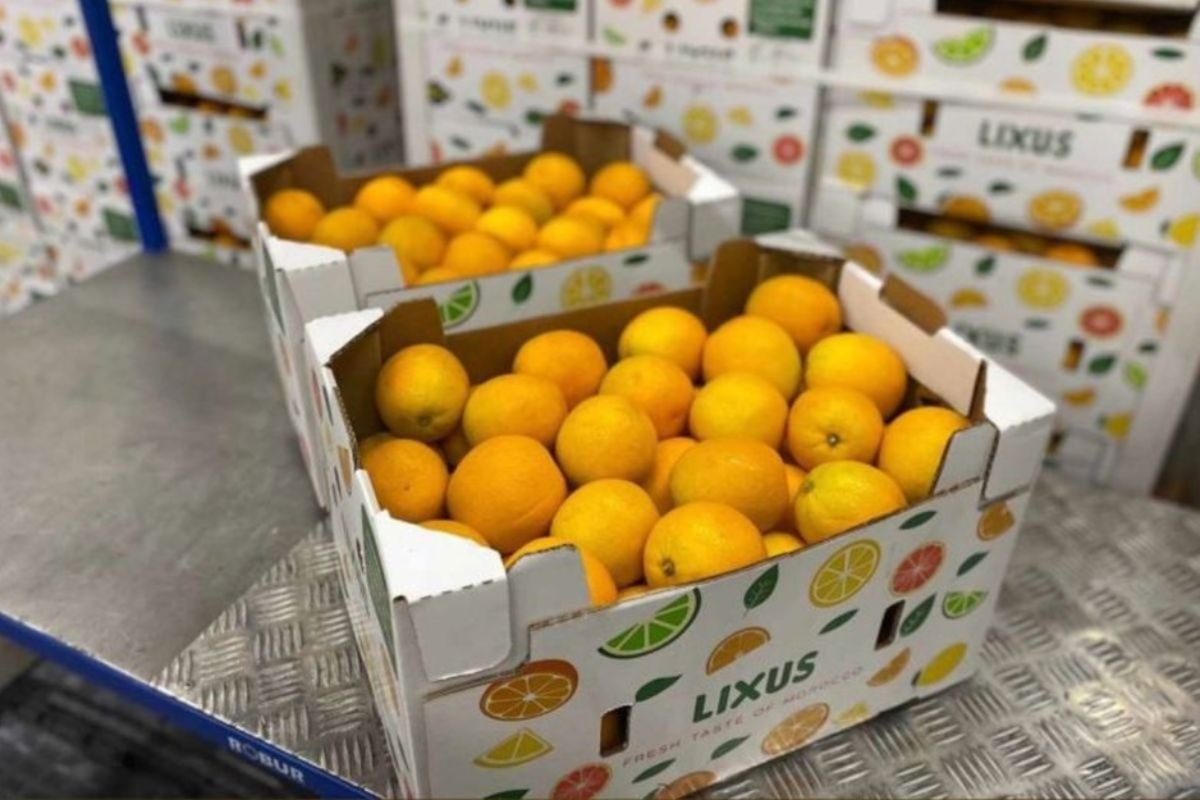
The recent rains in Morocco have brought much-needed relief to citrus growers in the region. After years of drought, the heavy rainfall has had a positive impact on citrus production, improving yields and fruit quality. Soufiane Bendennoune from Citrus Mogador highlights the significance of the recent developments in the citrus industry.
Bendennoune notes that the rainfall has varied across regions in Morocco, with areas like Gharb and Beni Mellal receiving more rainfall compared to Agadir. However, the overall mood among citrus producers is positive, with the industry experiencing a much-needed boost in confidence.
The benefits of the rainfall are expected to be felt quickly, with larger fruit sizes and improved coloring anticipated for all citrus varieties. The weather conditions have also been favorable for controlling pests like mites and thrips, reducing the need for extensive treatments. Bendennoune emphasizes that the rainfall will help address the challenge of achieving consistently high yields, a struggle that the industry has faced for years.
While the weather conditions have improved production prospects, harvesting has been temporarily slowed down due to accessibility issues and growers’ practices. Despite these challenges, the citrus industry in Morocco is optimistic about the current season.
The prolonged drought in Morocco has posed challenges for citrus production, particularly for oranges. The competition from Egypt has also affected market prices, making it difficult for Moroccan exporters to remain competitive. However, the current season has provided a glimmer of hope for Moroccan oranges.
Moroccan exporters are closely monitoring the developments in Egypt, particularly the resolution of the crisis in the Red Sea and the growth in local demand for oranges. These positive indicators bode well for the citrus industry in both countries, with Moroccan exporters hopeful for a resurgence in competitiveness.
Looking ahead, the industry’s performance will depend on various factors, including Egyptian supply and weather conditions in Morocco. Bendennoune highlights the importance of finding a balance between export volumes and value, particularly with access to niche markets and sustained demand from processing industries.
Despite the favorable outlook, it is unlikely that orange acreage will increase significantly in Morocco in the near future. The focus remains on revitalizing the industry and increasing yields per hectare to achieve optimal performance.
Ultimately, the opportunity lies in late production with Maroc Late oranges, offering a unique seasonality in the international market. Citrus growers like Citrus Mogador are diversifying their offerings to cater to market demands throughout the year.
As the industry gears up for the upcoming Fruit Logistica event in February, citrus growers are optimistic about the future of Moroccan citrus exports. With improved production conditions and a positive outlook for the season, the Moroccan citrus industry is poised for growth.
FAQ
– How have the recent heavy rains in Morocco impacted citrus production?
The recent heavy rains in Morocco have led to improved yields and fruit quality across all citrus varieties, boosting the confidence of industry players.
– What challenges have Moroccan citrus growers faced in recent years?
Moroccan citrus growers have faced challenges due to prolonged drought, unfavorable market conditions, and competition from countries like Egypt.
– What are the key factors influencing the performance of the citrus industry in Morocco?
Factors such as Egyptian supply, weather conditions in Morocco, and access to niche markets play a crucial role in determining the performance of the citrus industry in Morocco. The Importance of Food Safety in the Food and Beverage Industry
Food safety is a critical aspect of the food and beverage industry that cannot be overlooked. Ensuring the safety of the food products that are being served to customers is not only a legal requirement but also essential for maintaining a good reputation and building trust with consumers.
One of the main reasons why food safety is so important in the food and beverage industry is to prevent foodborne illnesses. Contaminated food can cause serious health issues for consumers, leading to illnesses, hospitalizations, and even deaths. In addition to the human cost, foodborne illnesses can also have a significant financial impact on businesses, including legal fees, medical expenses, and loss of reputation.
To prevent foodborne illnesses, food and beverage professionals must adhere to strict food safety practices. This includes proper handling, storing, and cooking of food, as well as maintaining a clean and sanitary kitchen environment. Regular training and education on food safety protocols are also essential for all staff members to ensure compliance with regulations and best practices.
Another key reason why food safety is important in the food and beverage industry is to meet regulatory requirements. Government agencies such as the Food and Drug Administration (FDA) and the United States Department of Agriculture (USDA) have strict regulations in place to ensure the safety of food products. Failure to comply with these regulations can result in fines, penalties, and even shutdowns of businesses.
In addition to government regulations, many food and beverage companies also have their own internal food safety standards that must be followed. These standards are designed to protect the health and safety of consumers and to maintain the quality and integrity of the products being produced.
Maintaining high levels of food safety in the food and beverage industry also helps to build trust with consumers. Consumers are becoming increasingly concerned about the safety and quality of the food products they consume, and are more likely to choose companies that prioritize food safety. By demonstrating a commitment to food safety, companies can attract and retain customers, leading to increased sales and profitability.
In conclusion, food safety is a critical aspect of the food and beverage industry that cannot be overlooked. By preventing foodborne illnesses, meeting regulatory requirements, and building trust with consumers, food and beverage professionals can ensure the success and longevity of their businesses. Investing in food safety practices is not only a legal requirement but also a smart business decision that can have a positive impact on both the bottom line and the reputation of a company.
Related Analysis: View Previous Industry Report

